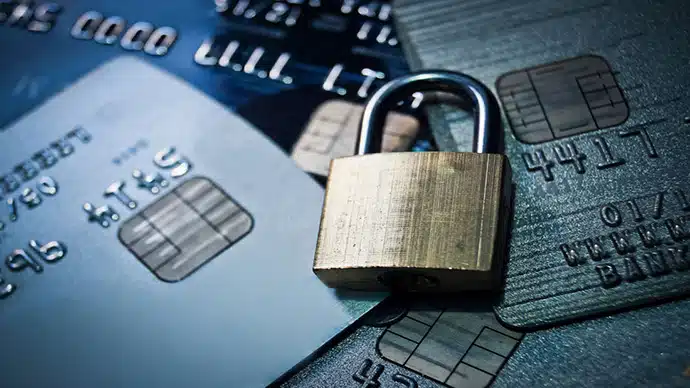
Free credit monitoring is helpful, but it only warns you after the damage is done. Billshark explains why freezing your credit — for you and your kids — is the strongest way to keep crooks off your good name.
1 Monitoring Alone Isn’t Enough
Credit monitoring is good. Free credit monitoring—the kind being offered in the Equifax deal, as well as by so many other entities that have failed to safeguard our information—is even better.
But Billshark wants you to know that the best way to keep crooks from taking a free ride on your good name is to freeze your credit.
2 Monitoring, Alerts, Locks, and Freezes
Credit monitoring tells you if someone has opened an account in your name. Of course, by then, the damage is done. It simply gives you a few extra days or weeks to try to undo it.
Fraud alerts are a step up from monitoring. With fraud alerts, a business must try to verify your identity before extending new credit. Usually that means calling to check if the person is actually at the particular place of business attempting to get credit. Fraud alerts must be renewed every 90 days.
The Federal Trade Commission (FTC) says fraud alerts may be effective at stopping someone from opening new credit accounts in your name, but they may not prevent the misuse of your existing accounts. You still need to monitor all bank, credit card, and insurances statements for fraudulent transactions.
Credit locks, offered by the three credit monitoring services (TransUnion, Equifax, and Experian), allow you to lock and unlock access to your credit report. They block potential creditors from viewing your credit history, making it difficult for a third party to open an account using your identity. Credit locks are free from TransUnion and Equifax; Experian charges for them.
Because credit locks are a product offered by the three credit reporting agencies, they are not regulated by law, and can be changed, modified, or lifted at any time.
Credit freezes, also known as security freezes, let you restrict access to your credit report, which makes it more difficult for identity thieves to open new accounts in your name. With a freeze, no one can access your credit report to open a new line of credit. Credit card companies and banks where you hold existing accounts will still be able to see your credit report. And you can still access your credit report free once a year from each credit rating agency.
If you want to make a purchase (home, auto, etc.), open a new account somewhere, or allow someone such as a prospective landlord to access your credit report, you will have to unfreeze it. If the request is made online or by phone, a credit bureau must lift a freeze within one hour. If the request is made by mail, the bureau must lift the freeze no later than three business days after getting your request.
And finally some good news out of Washington: As a result of the massive Equifax data breach, Congress actually took some useful action on behalf of consumers. Last fall it amended the Fair Credit Reporting Act to require the credit bureaus to freeze and unfreeze credit reports at no charge.
3 Which Option Is Best for You?
Billshark recommends that everyone keep their credit files frozen as a matter of course. The list of data breaches in recent years would fill much of this blog, and they keep occurring. The most recent, at Capitol One Financial Corp., was disclosed just last month. It hit 100 million customers in the U.S. plus six million more in Canada, and included names, addresses, phone numbers, email addresses, dates of birth, and income of current and prospective customers. Of those affected, an estimated 140,000 social security numbers and 80,000 bank account numbers were also stolen.
And remember that once your social security number and other information is “out there,” it’s floating around the Web forever. Just because you think you’ve escaped damage from one of the recent hacks doesn’t mean you’re home free.
Credit freezes are more secure than a lock because they require a PIN and/or a password to freeze and unfreeze your credit report. Locks can be lifted instantly through an app or smartphone.
4 Don’t Forget Your Kids’ Credit
Parents should also be sure to freeze their children’s credit files, which are just as vulnerable to identity thieves as adults’; more so, in fact, because crooks can begin with a blank slate to launch their own credit file using the child’s social security number. (Credit files at the reporting bureaus aren’t created until someone applies for credit.)
And remember, when you send your bills to us for a free review, we treat your personal information as though it was our own, and ensure we safeguard it throughout our entire transaction with you.
If at any time you have questions or concerns about how we handle your data, do not hesitate to contact us, or review our procedures on Billshark.
Share:
Billshark · Bill Negotiation Experts Helping consumers and small businesses stop overpaying on recurring bills.
Frequently Asked Questions
What is a credit freeze and how does it protect my identity?
A credit freeze, also known as a security freeze, restricts access to your credit report, making it more difficult for identity thieves to open new accounts in your name. With a freeze in place, no one can access your credit report to open a new line of credit. Credit card companies and banks where you already hold accounts can still see your report, and you can still get your free annual report from each credit rating agency.
What is the difference between a credit lock and a credit freeze?
Credit locks are a product offered by TransUnion, Equifax, and Experian that let you lock and unlock access to your report. Because they are not regulated by law, they can be changed or lifted at any time, and locks can be lifted instantly through an app. A credit freeze is more secure because it requires a PIN and/or password to freeze and unfreeze your credit report.
Does it cost money to freeze and unfreeze my credit?
No. After the Equifax data breach, Congress amended the Fair Credit Reporting Act to require the credit bureaus to freeze and unfreeze credit reports at no charge. Credit locks are also free from TransUnion and Equifax, though Experian charges for them.
How quickly can I unfreeze my credit when I need to apply for something?
If you need to make a purchase, open a new account, or let someone such as a landlord view your report, you must unfreeze it first. If the request is made online or by phone, a credit bureau must lift the freeze within one hour. If the request is made by mail, the bureau must lift the freeze no later than three business days after getting your request.
Should I freeze my children’s credit too?
Yes. Children’s credit files are just as vulnerable to identity thieves as adults’ — more so, in fact, because crooks can start with a blank slate to launch a credit file using the child’s social security number. Credit files at the reporting bureaus aren’t created until someone applies for credit, so freezing them is a smart precaution.